We honor the lives.
We also honor the lives and labor of African ancestors, brought here by force and bound in unjust systems whose legacies continue to shape our communities. We walk in the footprints of those who resisted, created, and endured, those whose stories are woven into the very soil beneath us. Their wisdom, music, and resilience remain a living current that moves through every offering made here.
This land remembers.
We practice not in ownership, but in relationship, with the land, with our neighbors, and with the more-than-human kin who call this place home. This acknowledgment is not a formality, but a vow: to listen, to learn, and to engage in actions that reconcile, restore balance and belonging. We recognize that true healing includes land repair, ancestral repair, and collective liberation.
We bow again, in reverent commitment to walk gently and courageously. May all that we offer here honor the spirits of this place and the sacred threads that connect us to the earth, to each other, and to the truth of interbeing.
Reflection Invitations
May we walk this land in ways that honor the ancestors of this land
and in ways that bring healing and wholeness.
Indigenous History & Land
Books & Academic Sources:
- “An American Genocide: The United States and the California Indian Catastrophe, 1846-1873″ by Benjamin Madley (contextualizes Indigenous displacement)
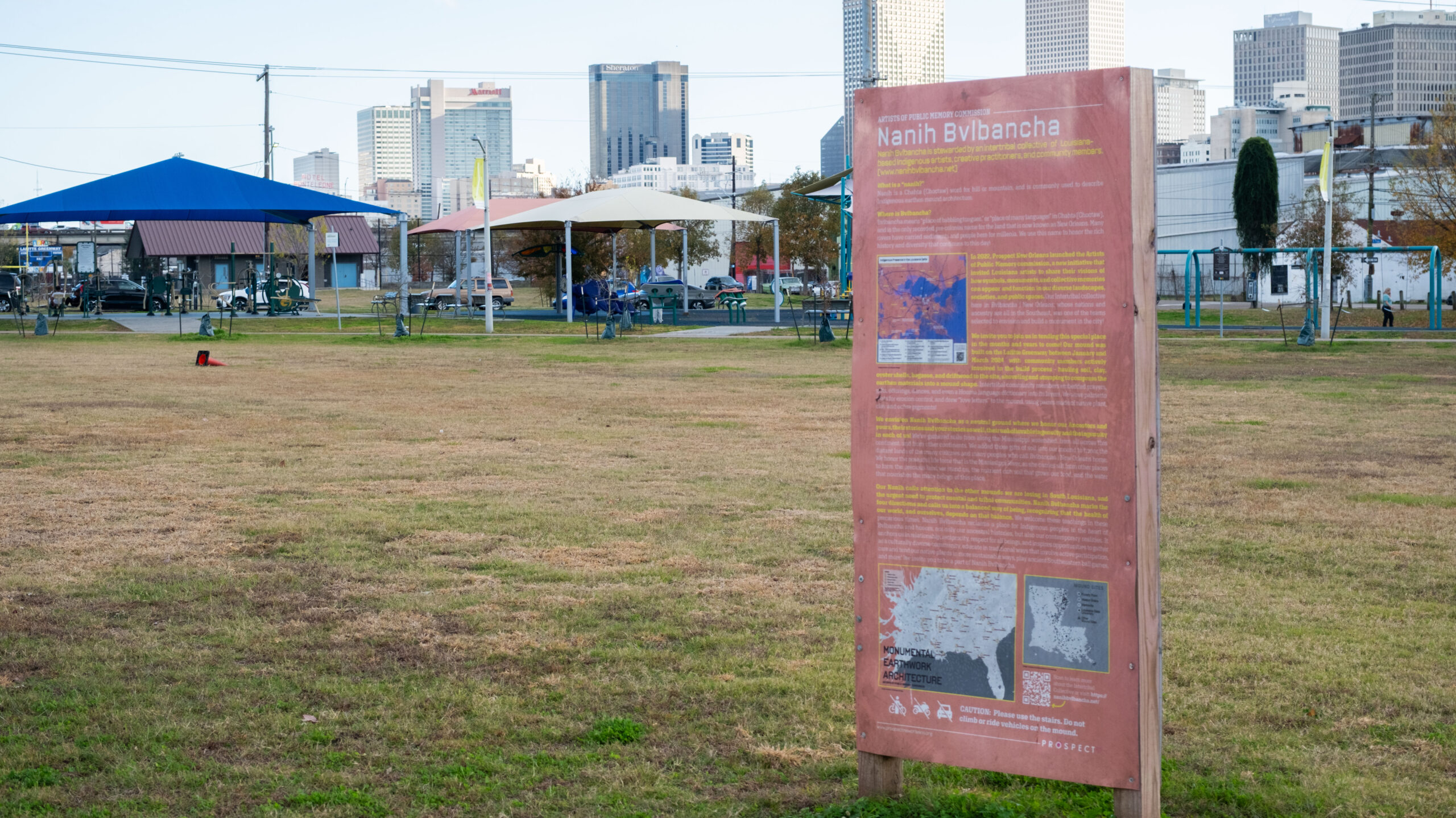
- Tulane Indigenous Symposium resources – Bulbancha (Choctaw for “place of foreign languages”) as the original name for New Orleans land
- United Houma Nation (unitedhoumanation.org) – Living Indigenous community still present
- LSU Special Collections Indigenous Materials – Primary source documents on Louisiana tribes
Key Organizations:
- United Houma Nation
- Chitimacha Tribe of Louisiana (first Louisiana tribe to adopt constitution, 1971)
- Jean Lafitte National Historical Park (has Indigenous history programming)
New Orleans Public Library Indigenous Resources (nolalibrary.org) - Chitimacha Tribe official site (chitimacha.gov)
- United Houma Nation (unitedhoumanation.org)
Indigenous peoples of many tribes and groups remain rooted in Bulbancha and Louisiana today, sustaining traditional lifeways, ceremony, and deep ancestral ties, while continuing to resist forced assimilation, dispossession, and the ongoing threats of federal control and extractive industry to their sovereignty and lands.
Black Excellence & History
Essential Books:
- “Congo Square: African Roots in New Orleans” by Freddi Williams Evans
- “Afro-Creole: Power, Opposition, and Play in the Caribbean” by Richard D.E. Burton
- “The Free People of Color of New Orleans” by Mary Gehman
- “Slavery’s Exiles: The Story of the American Maroons” by Sylviane A. Diouf
- “Africans in Colonial Louisiana” by Gwendolyn Midlo Hall
Key Sites & Organizations:
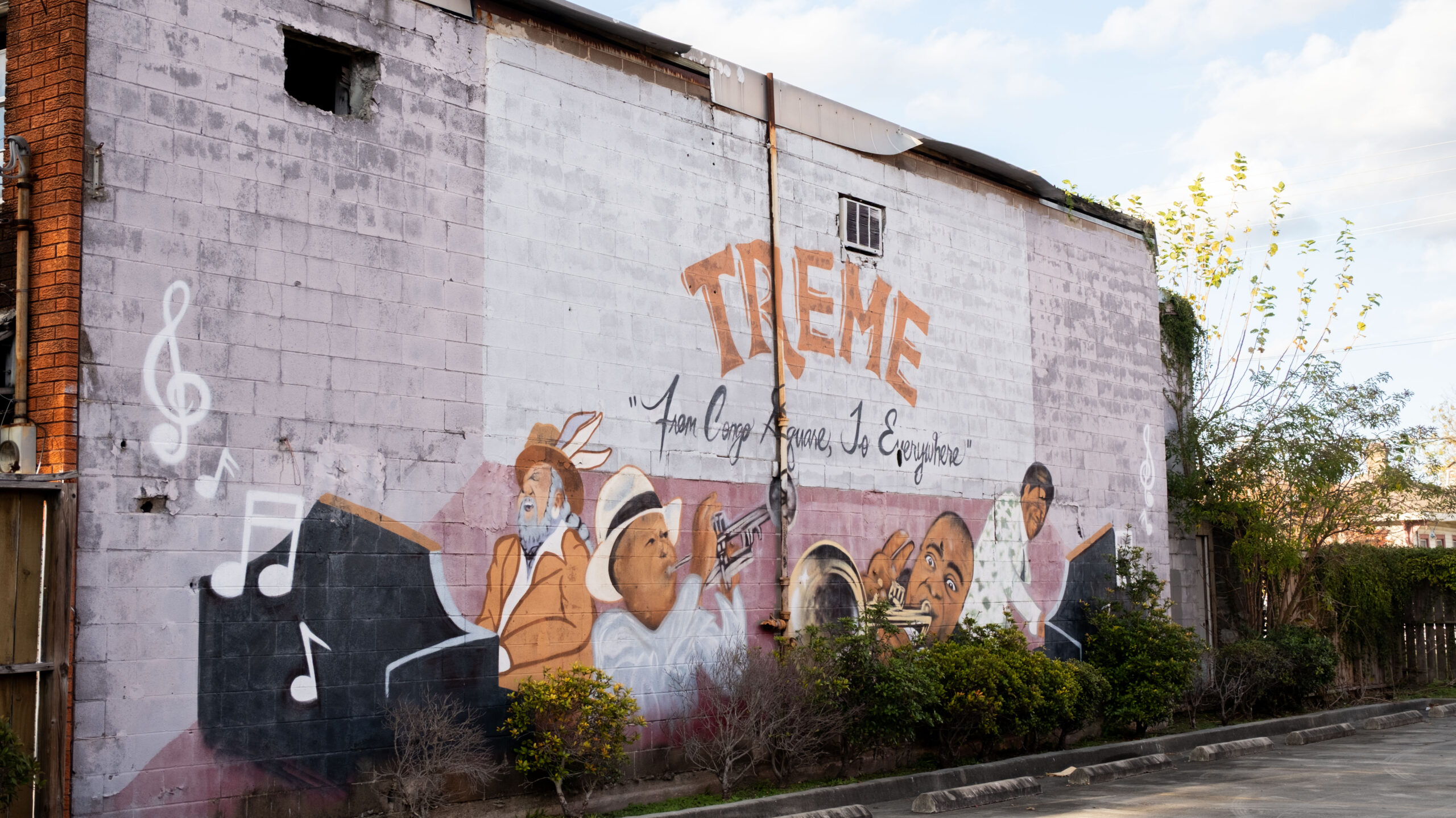
- New Orleans African American Museum (NOAAM) in Tremé
- Congo Square (Armstrong Park) – vital place for African cultural continuity
- Backstreet Cultural Museum – preserving Black Mardi Gras traditions
- Tremé neighborhood – oldest Black neighborhood in America
Historical Context:
- Elements of New Orleans culture stem from African resistance to Code Noir, the 1724 “Black Codes” of Louisiana, which attempted to regulate the lives of enslaved people The Houma tribe of southeast Louisiana – by Savanna King
- 1811 German Coast Uprising – one of largest slave revolts in American history
- Free People of Color community created unique Creole culture
Contemporary Scholars & Resources:
- Dr. Jessica Marie Johnson (Johns Hopkins) – slavery, Black women’s history
- Dr. Ibrahima Seck (Whitney Plantation) – African diaspora history
- The Historic New Orleans Collection – extensive archives
Amistad Research Center (Tulane) – African American history archives
May our practice begin with remembrance.
May our presence here be a prayer.
May the land feel our love.